
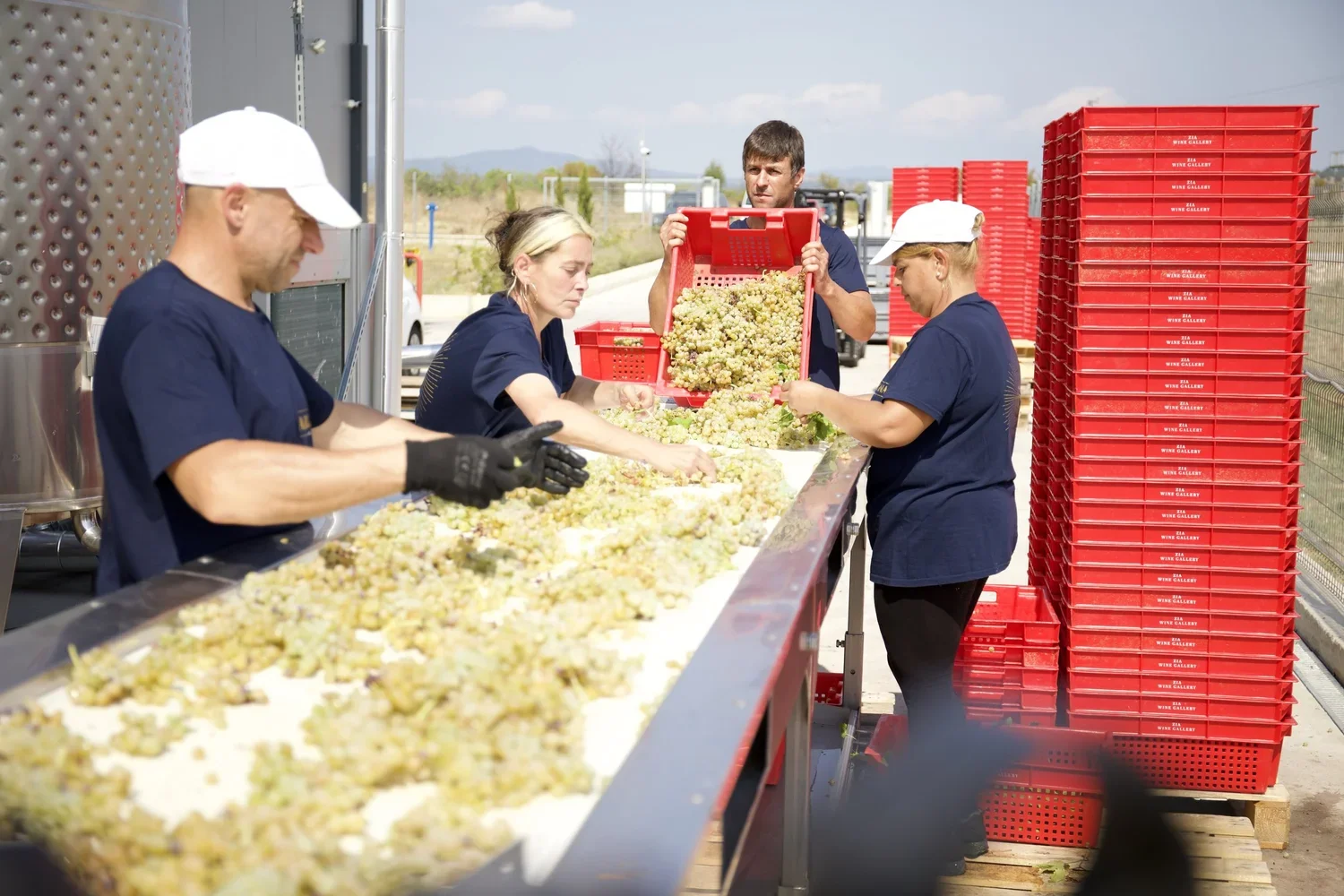
Good Wine, Naturally
Just as with our cacao, we look for wines made with care, intention, and respect for the land and the people behind them.
Why Natural wine?
Our approach to wine is much like our approach to cacao: we believe that the best things come from nature, thoughtful hands, and people who truly care about what they make.
We look for wines made with intention—with respect for the land, the traditions passed down through generations, and the character of the place where the grapes are grown. There is a lot of wine in the world, but we wanted to use our selection to shine a little light on something closer to home.
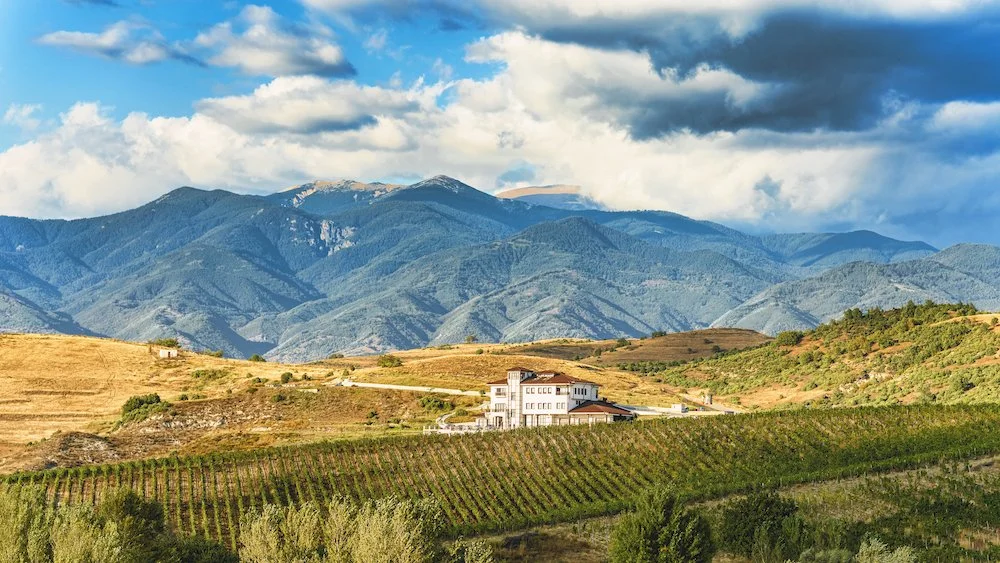
For us, that means looking to the places where our founder, Betty, comes from—the lands of the Balkans, and especially Bulgaria. These are places with a deep and ancient connection to winemaking, with a wine tradition that stretches back more than 5,000 years.
We love that history. We love the people keeping it alive. And we love discovering the small producers who are making wine in a way that feels connected to the land, the seasons, and the traditions that came before them.
So our wine selection is a little like our chocolate: rooted in origin, made with care, and chosen because there’s a story worth sharing.

-
Natural wine is wine made with as little intervention as possible. Think of it as wine made the old-fashioned way before modern winemaking became highly controlled and mass-produced.
You might be surprised to learn that conventional winemaking allows the use of many different additives and processing aids to adjust things like flavor, color, sweetness, acidity, fermentation, and consistency.
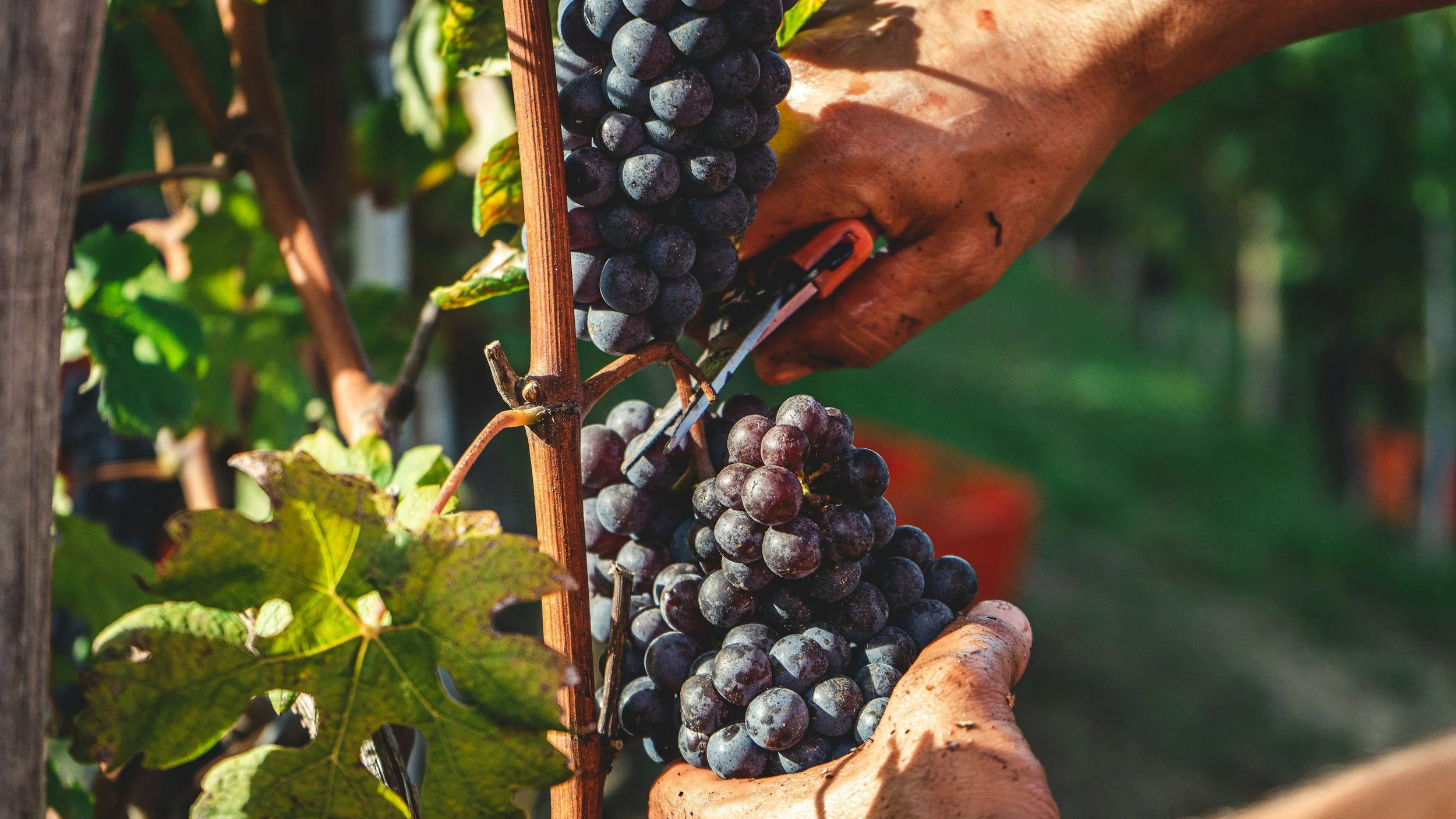
Natural winemakers take a different approach: start with healthy grapes and let the grapes do the talking. Natural wines are typically made with organically or biodynamically farmed grapes, native yeasts, and little or no added ingredients or sulfur. They are also often unfined and unfiltered.
The result is wine that can feel more vibrant, expressive, and connected to its place. Every bottle can be a little different, reflecting the grapes, the vineyard, and the vintage rather being manipulated to fit in a mass production frame.
-
We focus on Eastern and Central Europe, bringing you natural wines from regions with some of the world’s oldest winemaking traditions.
From Georgia and Greece to Bulgaria, Serbia, Croatia, Slovenia, Hungary, Austria, Czech Republic, and Slovakia, these countries are home to unique native grapes, centuries-old techniques, and a growing community of winemakers returning to low-intervention, traditional methods.
We love these regions because they offer wines with character, history, and a strong sense of place.
-
For us, wine is personal.
Our selection starts close to home—with Bulgaria, Serbia, and Greece, places that are part of our founder Betty’s story: where she grew up, where her family comes from, and where she has spent years traveling, eating, drinking, and discovering.
And these places have been pretty serious about wine for a very long time.
The Balkans are home to some of the oldest winemaking traditions in Europe. In Bulgaria, wine culture can be traced back more than 5,000 years, to the ancient Thracians.
This style of winemaking takes us back to the way wine was made for generations working with nature, native yeasts, and minimal intervention, long before modern commercial winemaking changed the way wine was produced.
Eastern Europe is home to an incredible variety of indigenous grapes many of them grown and enjoyed locally for centuries. From Bulgaria’s bold Mavrud and aromatic Muscat, to Serbia’s Prokupac and Greece’s mineral-driven Assyrtiko and earthy Xinomavro, these grapes offer a chance to explore flavors and traditions that are still relatively under the radar.
What we love is how much of that history is still alive in the vineyards, in the local grapes, in family traditions, and in the people who continue to make wine their own way.
Additionally, we carry many other wines from Central & Eastern Europe: Czech Republic, Georgia (oldest known winemaking traditions in the world at least 8,000 years old), Croatia, Slovenia, Slovakia, Hungary and Austria. -
Wine and chocolate may come from very different places, but we see a lot of similarities in both.
Both are deeply connected to terroir: the soil, climate, landscape, and conditions where they begin. And in both, what happens to the raw ingredients matters. The care of the grower, the skill of the maker, and the choices made along the way can bring out something truly special in the finished product.
That’s what we look for in both our cacao and our wines: great ingredients, thoughtful hands, a strong sense of place, and respect for the traditions behind them.
And, of course, there’s the delicious part: wine and chocolate just happen to be wonderful together. The richness of chocolate, the acidity and fruit of wine, and all the unexpected flavors in between can create some pretty magical pairings.
We love bringing the two together and discovering how a great bottle can make a piece of chocolate taste completely different and vice versa.